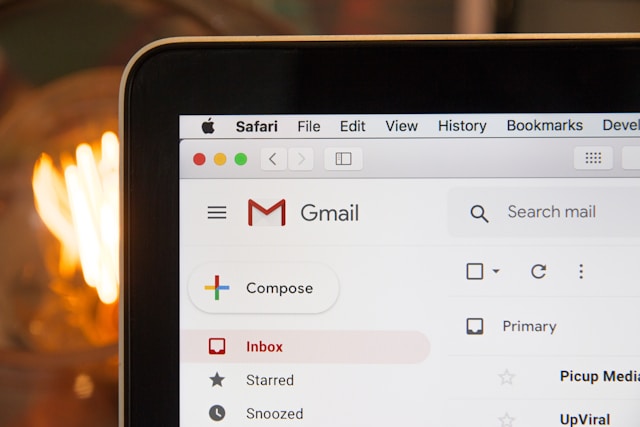
Email Security
(phishing)


Phishing is one of the most dangerous security threat because it is so inexpensive for an attacker to create a realistic phishing email, especially with the advent of AI. When combined with fake LinkedIn accounts and fake Social Media ads, detection is very difficult. In addition, these phishing emails are sent to all employees and business partners thus statistically increasing the chance of success for the attackers.

In summary, in today’s world, you have lots and lots of people creating extremely sophisticated phishing attacks that are all designed to steal something.

Email security refers to the measures and technologies put in place to protect email communication from unauthorized access, attacks, or misuse. Since email is one of the most widely used forms of communication in both personal and business contexts, securing it is essential to safeguard sensitive information, prevent fraud, and maintain privacy.

Email Security
(phishing)


Phishing is one of the most dangerous security threat because it is so inexpensive for an attacker to create a realistic phishing email, especially with the advent of AI. When combined with fake LinkedIn accounts and fake Social Media ads, detection is very difficult. In addition, these phishing emails are sent to all employees and business partners thus statistically increasing the chance of success for the attackers.

In summary, in today’s world, you have lots and lots of people creating extremely sophisticated phishing attacks that are all designed to steal something.

Email security refers to the measures and technologies put in place to protect email communication from unauthorized access, attacks, or misuse. Since email is one of the most widely used forms of communication in both personal and business contexts, securing it is essential to safeguard sensitive information, prevent fraud, and maintain privacy.


Key Elements of Email Security

1Spam Filtering
Identifies and blocks unsolicited or malicious emails, preventing spam and phishing attempts from reaching the inbox.
2Encryption
Ensures that email content is encrypted, meaning it can only be read by the intended recipient, even if intercepted by a third party.
3Authentication
Verifies the sender's identity to prevent email spoofing (when a sender impersonates someone else) using methods like SPF (Sender Policy Framework), DKIM (DomainKeys Identified Mail), and DMARC (Domain-based Message Authentication, Reporting, and Conformance).

Key Elements of Email Security

1Spam Filtering
Identifies and blocks unsolicited or malicious emails, preventing spam and phishing attempts from reaching the inbox.
1Encryption
Ensures that email content is encrypted, meaning it can only be read by the intended recipient, even if intercepted by a third party.
2Authentication
Verifies the sender's identity to prevent email spoofing (when a sender impersonates someone else) using methods like SPF (Sender Policy Framework), DKIM (DomainKeys Identified Mail), and DMARC (Domain-based Message Authentication, Reporting, and Conformance).
1Phishing Detection
Detects phishing attempts, where attackers try to trick users into revealing sensitive information (e.g., passwords or financial data).
2Anti-Malware and Virus Scanning
Scans email attachments or links for malware, viruses, and ransomware before they reach the inbox.
3Data Loss Prevention (DLP)
Prevents sensitive information from being accidentally or intentionally shared through email by blocking attachments or messages that contain confidential data.
1Phishing Detection
Detects phishing attempts, where attackers try to trick users into revealing sensitive information (e.g., passwords or financial data).
1Anti-Malware and Virus Scanning
Scans email attachments or links for malware, viruses, and ransomware before they reach the inbox.
2Data Loss Prevention (DLP)
Prevents sensitive information from being accidentally or intentionally shared through email by blocking attachments or messages that contain confidential data.

Why Email Security Is Important

1Primary Attack Vector
Email is one of the most common entry points for cyberattacks, such as phishing, ransomware, and malware distribution. Criminals often use email to trick individuals into opening malicious links or attachments that compromise security.
2Protection Against Phishing and Social Engineering
Phishing attacks, where attackers impersonate legitimate sources (banks, colleagues, etc.) to steal personal information, are rampant. Email security tools like anti-phishing filters and user training help recognize and avoid these threats.
3Confidentiality of Information
Many sensitive business communications and personal information are shared over email, such as financial details, intellectual property, or medical records. Without proper encryption and access control, this information is vulnerable to interception and theft.

Why Email Security Is Important

1Primary Attack Vector
Email is one of the most common entry points for cyberattacks, such as phishing, ransomware, and malware distribution. Criminals often use email to trick individuals into opening malicious links or attachments that compromise security.
1Protection Against Phishing and Social Engineering
Phishing attacks, where attackers impersonate legitimate sources (banks, colleagues, etc.) to steal personal information, are rampant. Email security tools like anti-phishing filters and user training help recognize and avoid these threats.
2Confidentiality of Information
Many sensitive business communications and personal information are shared over email, such as financial details, intellectual property, or medical records. Without proper encryption and access control, this information is vulnerable to interception and theft.
1Preventing Malware and Ransomware
Malicious attachments or links in emails are a popular method for spreading malware and ransomware. Email security can block these threats before they cause damage, such as encrypting company files or stealing credentials.
2Business Continuity
A successful cyberattack via email can disrupt operations, damage a company's reputation, and lead to financial loss. For instance, if an employee falls victim to a phishing scam and provides login credentials, attackers could gain access to critical systems. Preventing these attacks ensures the smooth functioning of business operations.
3Compliance and Legal Obligations
Many industries are required to protect sensitive data (e.g., personal health information, financial records) under laws like GDPR, HIPAA, or PCI-DSS. Email security ensures that organizations meet these legal and regulatory requirements by preventing unauthorized access to emails and data breaches.
1Preventing Malware and Ransomware
Malicious attachments or links in emails are a popular method for spreading malware and ransomware. Email security can block these threats before they cause damage, such as encrypting company files or stealing credentials.
1Business Continuity
A successful cyberattack via email can disrupt operations, damage a company's reputation, and lead to financial loss. For instance, if an employee falls victim to a phishing scam and provides login credentials, attackers could gain access to critical systems. Preventing these attacks ensures the smooth functioning of business operations.
2Compliance and Legal Obligations
Many industries are required to protect sensitive data (e.g., personal health information, financial records) under laws like GDPR, HIPAA, or PCI-DSS. Email security ensures that organizations meet these legal and regulatory requirements by preventing unauthorized access to emails and data breaches.
1Reputation Protection
If a company's email system is compromised, it can be used to send spam or malicious content to clients, partners, and customers, damaging the organization’s reputation. Email security measures help protect against this type of abuse.
2User Education
A strong email security policy includes educating employees about common threats (e.g., how to spot phishing emails, avoid suspicious attachments, etc.), which is vital because even the most sophisticated security technology can’t prevent human error.
1Reputation Protection
If a company's email system is compromised, it can be used to send spam or malicious content to clients, partners, and customers, damaging the organization’s reputation. Email security measures help protect against this type of abuse.
1User Education
A strong email security policy includes educating employees about common threats (e.g., how to spot phishing emails, avoid suspicious attachments, etc.), which is vital because even the most sophisticated security technology can’t prevent human error.

Conclusion


Email security is critical because email is both a business-critical communication tool and a major attack vector for cybercriminals. Effective email security protects sensitive information, prevents data breaches, safeguards against phishing and malware, ensures compliance with regulations, and helps maintain the organization's reputation. With the increasing sophistication of email-based attacks, robust email security measures are essential for any organization to protect its employees, clients, and business operations from cyber threats.


Conclusion


Email security is critical because email is both a business-critical communication tool and a major attack vector for cybercriminals. Effective email security protects sensitive information, prevents data breaches, safeguards against phishing and malware, ensures compliance with regulations, and helps maintain the organization's reputation.

With the increasing sophistication of email-based attacks, robust email security measures are essential for any organization to protect its employees, clients, and business operations from cyber threats.

Contact Us

Got a txt message and wonder if it is malicious?

X